Why Layered Security Is the Foundation of Modern Facility Protection
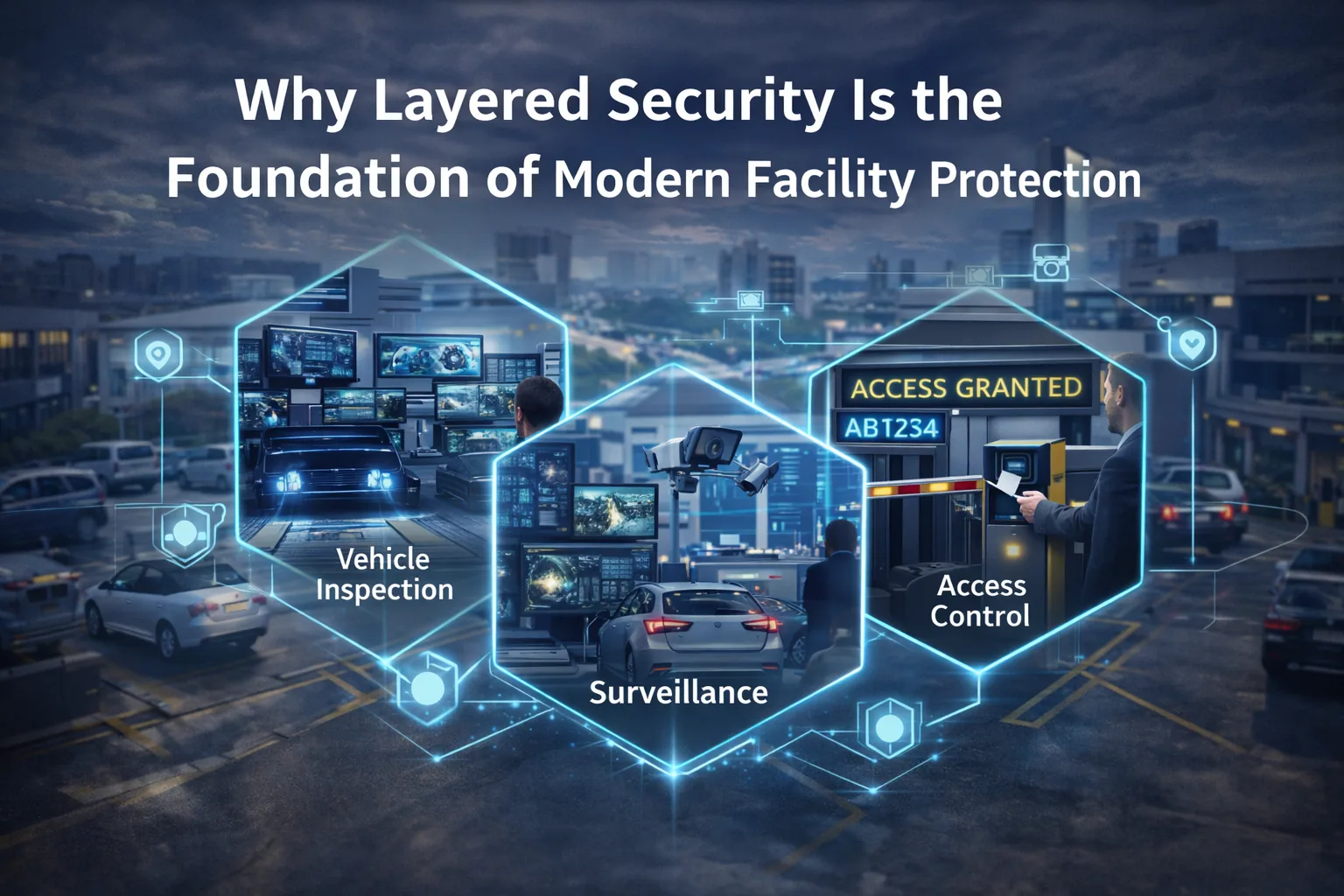
In today’s risk environment, relying on a single security measure is no longer sufficient. Modern facilities—ranging from industrial plants and commercial complexes to transportation hubs—require a layered security approach to effectively manage evolving threats and operational challenges.
Layered security is based on the principle that protection should be implemented at multiple levels. Instead of depending on one system, organizations deploy complementary technologies such as vehicle inspection, access control, surveillance, and monitoring systems to create overlapping layers of defense.
At the outer layer, vehicle access and inspection systems help control entry points and identify potential threats before they reach sensitive zones. Surveillance and monitoring systems provide real-time visibility, while access control technologies regulate movement within secured areas. Together, these layers reduce blind spots and improve response capabilities.
Another key advantage of layered security is resilience. If one system is bypassed or temporarily unavailable, other layers continue to provide protection. This approach significantly reduces single points of failure and strengthens overall security reliability.
Data integration also plays a critical role. When systems share information, security teams gain a clearer operational picture, enabling faster decision-making and more effective incident management.
Arvion Systems designs security solutions with a layered architecture in mind—ensuring that each component works seamlessly with others to deliver robust, scalable, and future-ready protection for complex environments.
Planning an under-vehicle security project?
Our engineers can advise on the right system for your site.
sales@arvionsystems.com